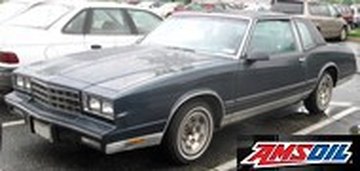
Engine Lubrication Maintenance for the 1982 Chevrolet MONTE CARLO 5.0L
Maintaining a vehicle from the early 1980s requires a proactive approach to fluid management and mechanical inspection. For the 1982 Chevrolet Monte Carlo equipped with the 5.0L engine, consistent attention to lubrication is a fundamental aspect of long-term ownership. Because older engines operate under different thermal and mechanical stresses than modern counterparts, understanding how to monitor and manage your engine oil is essential for preserving engine health.
Monitoring Fluid Integrity and Consumption
One of the most effective ways to gauge the condition of an engine is to observe how it utilizes its lubricants. Regular checks of the oil level allow an owner to identify potential issues before they escalate into significant mechanical concerns. If you notice that the oil level is dropping more frequently than expected between service intervals, this warrants a closer investigation.
Changes in the appearance or smell of the engine oil can also provide useful information. While some variations are normal due to heat and age, an unusual odor or a significant change in color might indicate that the lubricant is being subjected to extreme conditions. Furthermore, if you observe any unexpected exhaust smoke, it may be helpful to have the vehicle inspected to determine the cause. It is important to remember that various symptoms can have multiple underlying causes, so professional diagnosis is often necessary when changes are detected.
Observing Potential Signs of Seepage
As vehicles age, the materials used in gaskets and seals may undergo changes in flexibility. For a 1982 Monte Carlo, it is practical to perform periodic visual inspections of the engine area to look for signs of fluid seepage or leakage. Rather than assuming a specific component has failed, an owner should look for wetness or residue around various sealing surfaces.
When conducting these inspections, pay attention to the following areas:
- The area surrounding the oil pan and its sealing surfaces.
- Various engine covers and gaskets that may show signs of age-related seepage.
- Any visible accumulation of fluid on the underside of the engine or near the transmission bellhousing.
Identifying small amounts of seepage early can assist in planning future maintenance and prevents the potential for larger, more sudden leaks. If you find evidence of a leak, it is advisable to monitor the frequency of the seepage to determine if it requires immediate attention.
Prioritizing Maintenance Based on Current Condition
For owners of a 1982 Chevrolet Monte Carlo, effective maintenance is often about distinguishing between necessary repairs and unnecessary parts replacement. Rather than following a rigid schedule based solely on the age of the vehicle, a more effective strategy is to prioritize tasks based on the actual current condition of the engine and its components.
If you are stepping into ownership of this vehicle without a complete service history, your first priority should be establishing a maintenance baseline. This involves performing a thorough inspection of all fluids, checking the condition of accessible belts (if equipped), and verifying the state of various hoses. Once you have documented the current state of the engine, you can create a more personalized maintenance plan that addresses active needs—such as addressing an existing leak or replacing a worn belt—before moving on to general preventive measures.
Keeping detailed records of every oil change, filter replacement, and mechanical repair is highly beneficial. These records allow you to track patterns in fluid consumption or component longevity, which can be invaluable when making decisions about the long-term care of the 5.0L engine.
Managing Aging Engine Components
When maintaining a vehicle that has been in service for several decades, it is useful to inspect components that are sensitive to time and temperature. While many parts are designed to last, the rubber and plastic materials used in various systems can become brittle or lose their effectiveness over time.
If equipped, inspect accessible drive belts for signs of cracking, glazing, or fraying. Similarly, if the vehicle is present with various cooling or vacuum hoses, check them for stiffness or visible deterioration. Maintaining these peripheral components helps ensure that the engine operates within its intended parameters and prevents secondary issues caused by component failure. Always approach these inspections with a focus on the actual condition of the part rather than making assumptions based solely on the model year.
The Role of Lubrication in Engine Longevity
Engine oil performs several vital roles that are necessary for the continued operation of the 5.0L engine. Beyond simply reducing friction between moving parts, the lubricant plays a significant role in managing the heat generated during combustion and mechanical movement. It also helps to carry away contaminants and prevents them from accumulating in critical areas of the engine.
Effective lubrication helps maintain the integrity of internal surfaces by providing a protective film that resists wear. Over time, as oil is used, it can become contaminated by various byproducts of the combustion process. This is why regular changes are necessary to ensure the lubricant maintains its ability to protect the engine and manage heat effectively. By staying diligent with lubrication maintenance, you help mitigate the risk of sludge buildup and other forms of internal contamination.
Practical Guidance for Buying Engine Oil for your 1982 Chevrolet MONTE CARLO 5.0L
When it is time to replenish your engine's lubricant, it is essential to select a product that aligns with the specific requirements of your application. To ensure you are using the correct fluid, match the engine oil to the vehicle-specific viscosity and application information already displayed on this webpage.
As you shop for products, consider the following practical steps:
- Verify the Label: Always check the product packaging to confirm that the SAE viscosity matches the information provided in your vehicle's documentation.
- Consider Formulations: Depending on your specific needs and the current condition of your engine, you may choose between conventional oil, synthetic blends, or full synthetic options. Some high-mileage oil formulations also contain additives intended for use in aging engines, including seal-conditioning additives.
- Check Certifications: Look for appropriate API certifications on the bottle to ensure the oil meets modern quality and performance standards.
- Avoid Assumptions: Do not rely on general knowledge or assumptions based on the vehicle's age; always prioritize the specific application data provided here.
By following these guidelines, you can ensure that your 1982 Chevrolet Monte Carlo receives the appropriate lubrication necessary for continued operation.